Days on market is incomplete unless you define the clock. The age of a portal advert, the duration of continuous marketing and the interval before a confirmed sale are different measures. A precise looking number can mislead when its starting event is unclear.
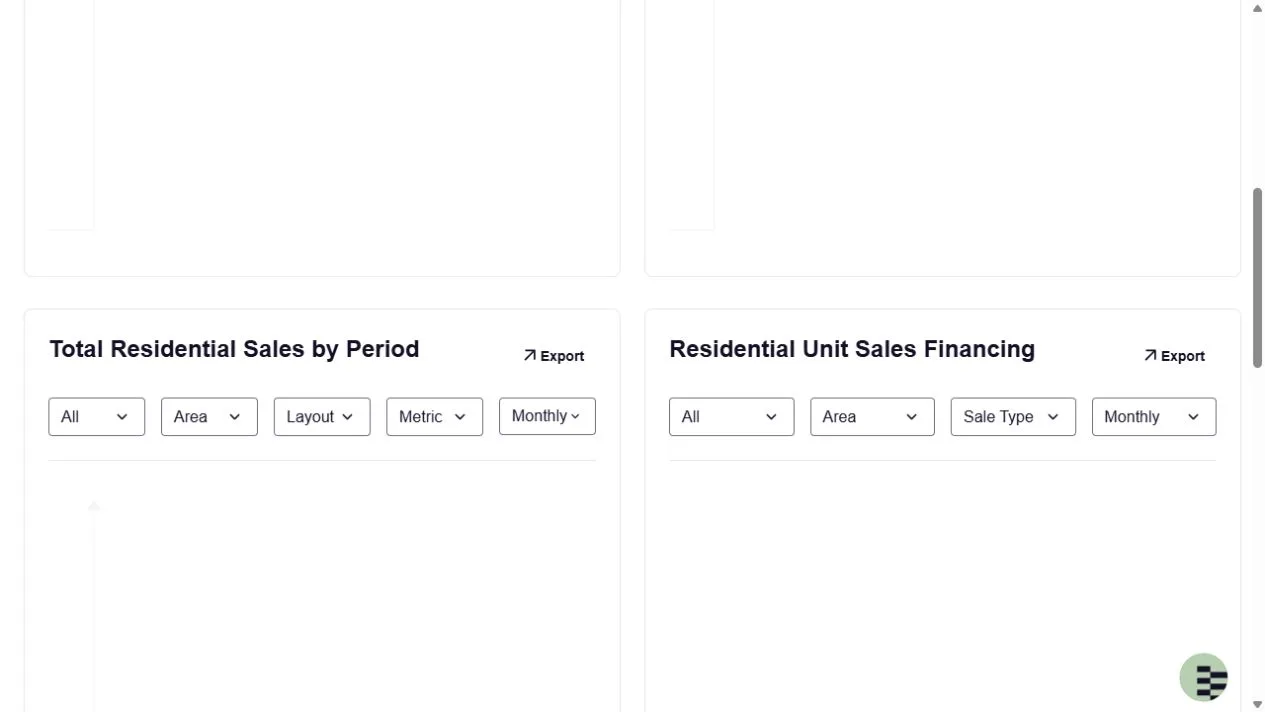
ADREC’s sales interface, captured 17 October 2026. Sales filters do not establish when an individual advert first appeared. Image source.
Before using listing age to discuss an Abu Dhabi home, write what was observed and what outcome was actually verified. This guide contains no estimate of typical selling time.
Choose a start event you can substantiate
Use a timestamp you can explain. It may be the portal's displayed date, your first recorded observation or a broker's documented marketing start. Keep the source beside the date.
Do not silently substitute your first visit to an advert for the date the home first entered the market. If older history is unavailable, write first observed. The limitation is part of the result.
Keep the different clocks separate
| Clock | Evidence required | Limit |
|---|---|---|
| Advert age | The platform's timestamp and its meaning | A relist or edit may change what it shows |
| Observed marketing history | Dated observations of the same home | Unobserved intervals remain unknown |
| Sale interval | A defined start and a verified sale event | A withdrawn advert is insufficient |
ADREC's market data provides recorded sales context with filters. It is a different evidence source from portal adverts. Do not assume an area sales record can identify the outcome of a particular listing without a reliable match.
Resolve the home's identity before joining adverts
Compare the building, unit reference where authorised, layout, floor and distinguishing details. Similar photos are a clue to investigate, not proof of the same home. Two homes with the same layout can use similar promotional images.
If a match remains uncertain, keep the records separate and mark a possible duplicate. Do not stretch an older advert's date onto a different home to make a sale look slow.
Read a fictional timeline honestly
Suppose you saved an advert, later saw it disappear, and then found a similar advert under another agency. The example is fictional and supplies no market observation.
You have evidence of two adverts and a gap. You do not yet have evidence of a sale or uninterrupted marketing. If the exact unit match is confirmed, retain both advert records and the gap. If it is not confirmed, do not calculate a single marketing duration.
This approach makes your conclusion reproducible. Another reader can see which dates came from records and which events are still unknown.
Test explanations before changing the price
A long observed marketing history is a prompt for investigation. Ask what changed in the asking price, access arrangements, property condition and enquiry response. Check the quality of comparable evidence before drawing a pricing conclusion.
A useful note might say the home was observed in multiple dated adverts, but the continuous marketing period and transaction outcome remain unverified. It avoids the false certainty of saying the property failed to sell for a specific duration.
For broader diagnosis, read Knownable's comparable set guide. Listing age is one research input, not a valuation.