Why Abu Dhabi

Abu Dhabi rewards the long view.

A capital shaped by islands, institutions, culture, and calm. Its property story starts with how deliberately the city itself is being built.

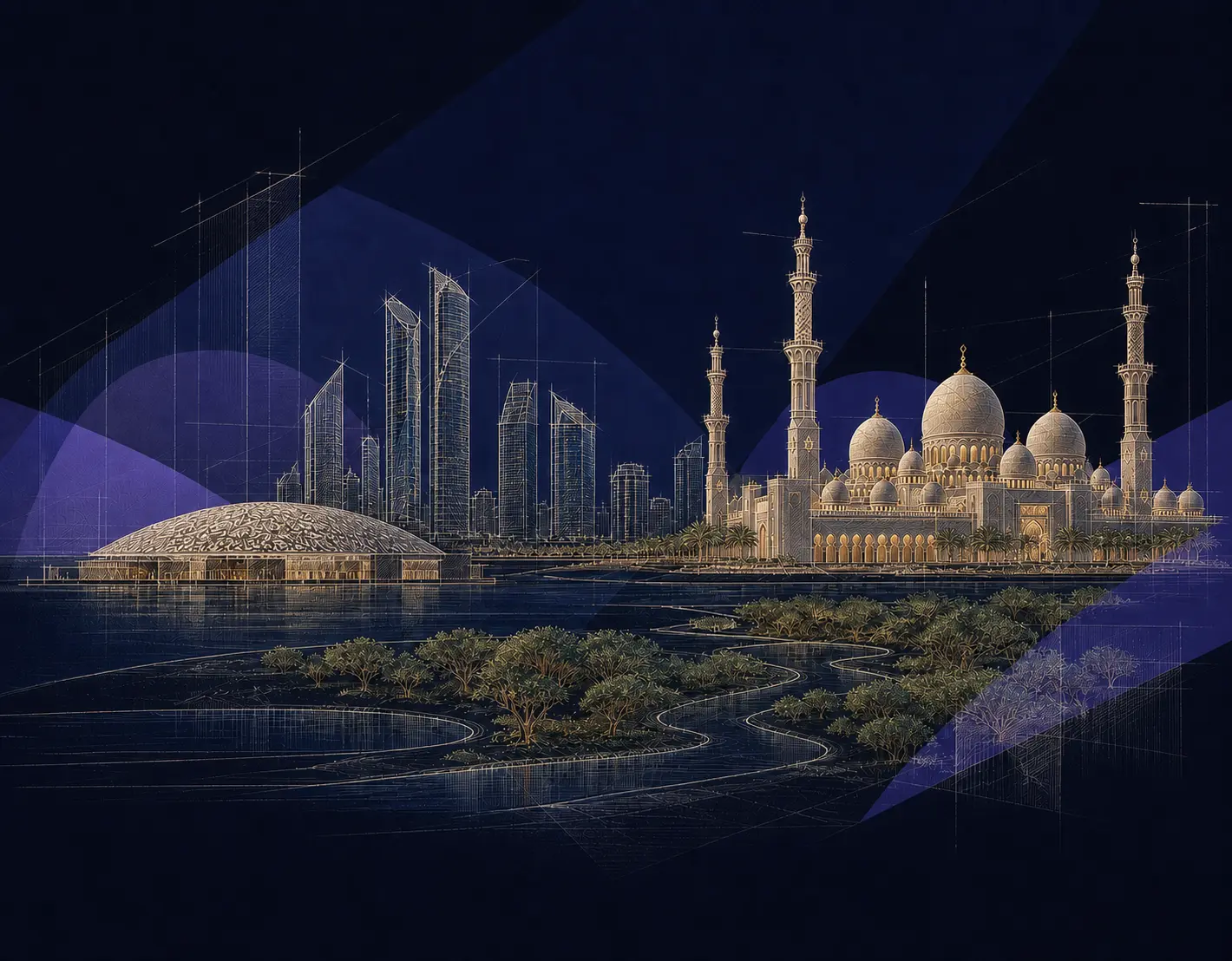
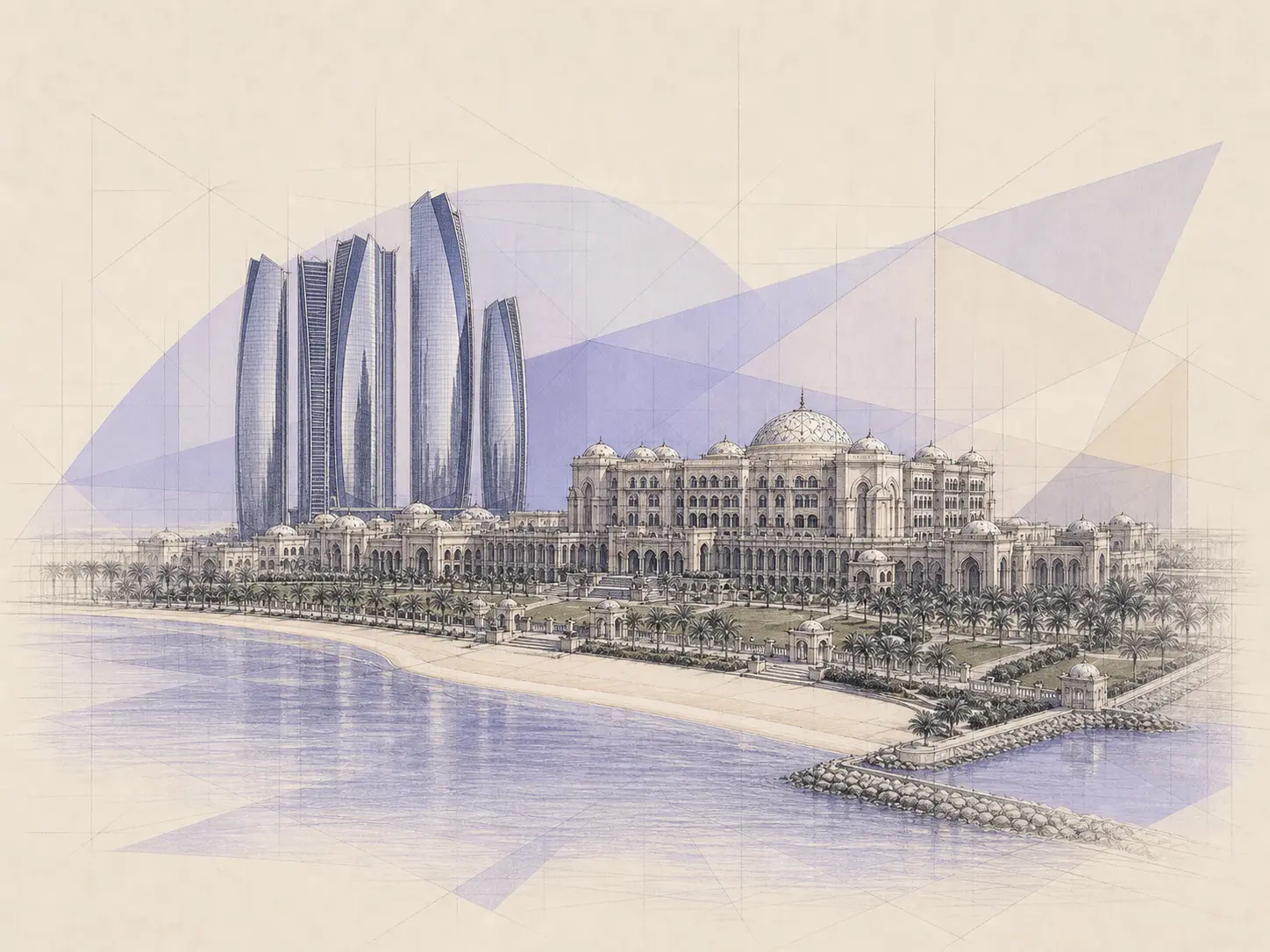
Editorial illustration of Abu Dhabi's islands, skyline, Grand Mosque, Louvre, and mangrove waterways at blue hour
Abu Dhabi, city of islandsOriginal editorial artwork created for Knownable.
Capital
The UAE's seat of direction
Islands
A city shaped by water
Culture
A global district on the coast
Registry
A property market with a record

The case

Why the capital deserves a closer look

Abu Dhabi's value is not one tax rate, landmark, or launch. It is the combination of long-term planning, globally connected institutions, a measured pace of life, and a market with evidence beneath it.

  1. Built for the long horizon

    The capital thinks in districts, institutions, and infrastructure, not isolated buildings. That long planning horizon gives each new neighbourhood a wider civic and economic context.

  2. A city defined by water

    Islands, mangrove channels, beaches, and promenades shape how Abu Dhabi grows. Waterfront is not a single premium edge here. It is part of the city's underlying geography.

  3. Culture as city-making

    Saadiyat's museums, learning spaces, and public realm are being built as a district rather than a collection of attractions. Culture is part of the urban plan.

  4. A capital with global reach

    Financial institutions, an international airport, ports, and regional road links place the city inside global flows while its scale remains legible and composed.

  5. Calm is part of the value

    Space, greenery, waterfront access, and a measured daily rhythm are not soft extras. They shape where households stay, how communities mature, and what endures beyond a launch cycle.

  6. A market you can interrogate

    Recorded sales create a factual baseline for comparing districts, projects, and price movement. The city-level story becomes more useful when you can test it address by address.

Abu Dhabi property, in context

The short answer, before the deep dive.

Abu Dhabi combines long-range planning, island geography, cultural institutions, and a property market that can be tested against registered sales.

  1. Why consider Abu Dhabi property?

    The city pairs master-planned districts and global institutions with waterfront communities, a measured pace, and registry-backed evidence. The opportunity is not one launch; it is the ability to compare distinct places on a common factual baseline.

    Test the market in numbers
  2. Which area fits?

    There is no universal best district. Saadiyat, Yas, Reem, Al Raha, and mainland communities answer different priorities, so compare lifestyle, property type, access, ownership, and recent registered sales.

    Compare area guides
  3. What evidence matters?

    Start with completed sales, median AED per square foot, transaction activity, and recent comparable deals. Asking prices show seller intent; registered sales show what the market actually accepted.

    Open the evidence map

Four views of the capital

Abu Dhabi has more than one silhouette.

Palace and fort, mangrove and waterfront. Each view carries a different part of the capital's identity.

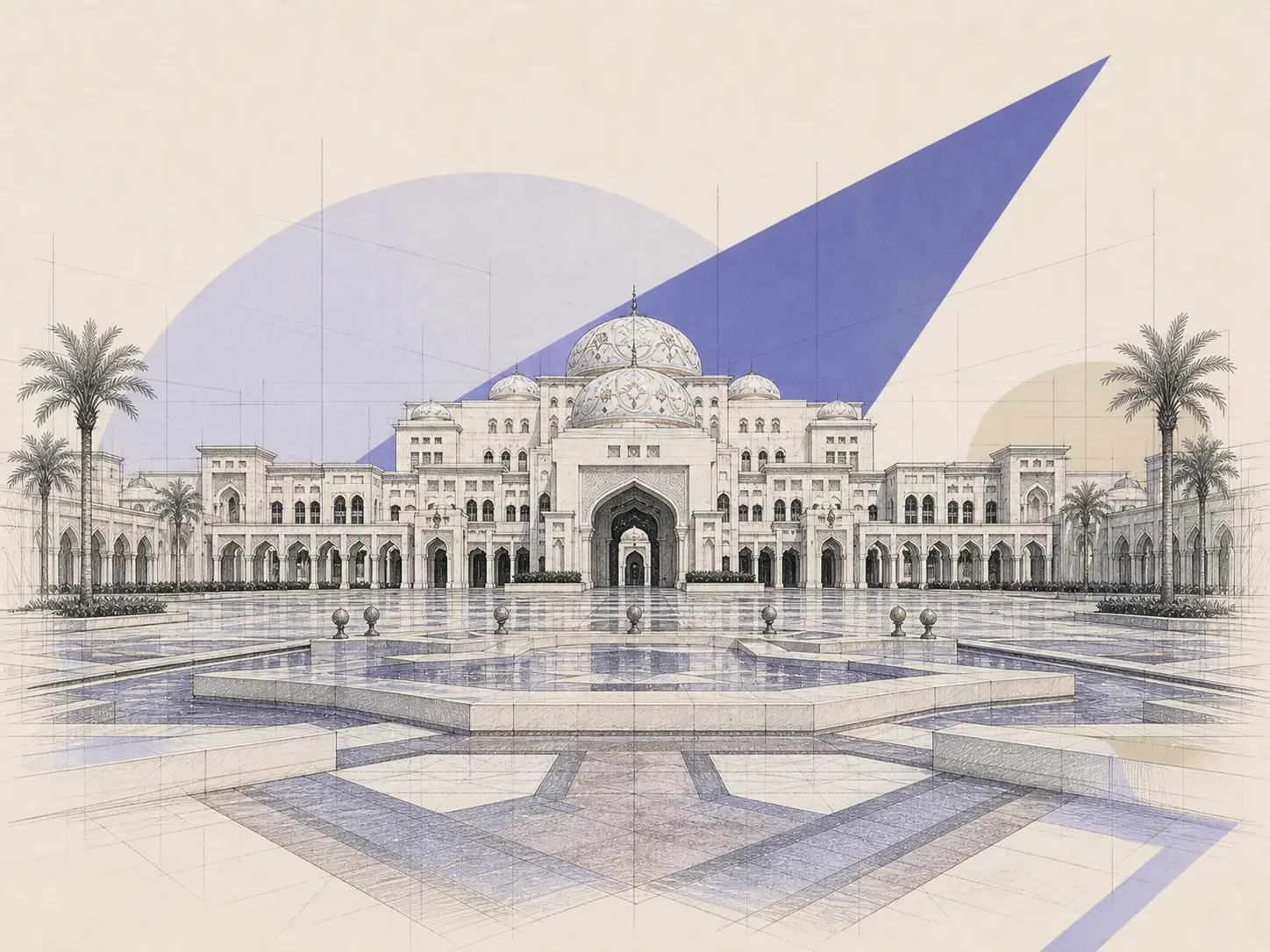
Knownable architectural illustration of Qasr Al Watan, its ceremonial courtyard, domes, arcades, and palms
Qasr Al Watan
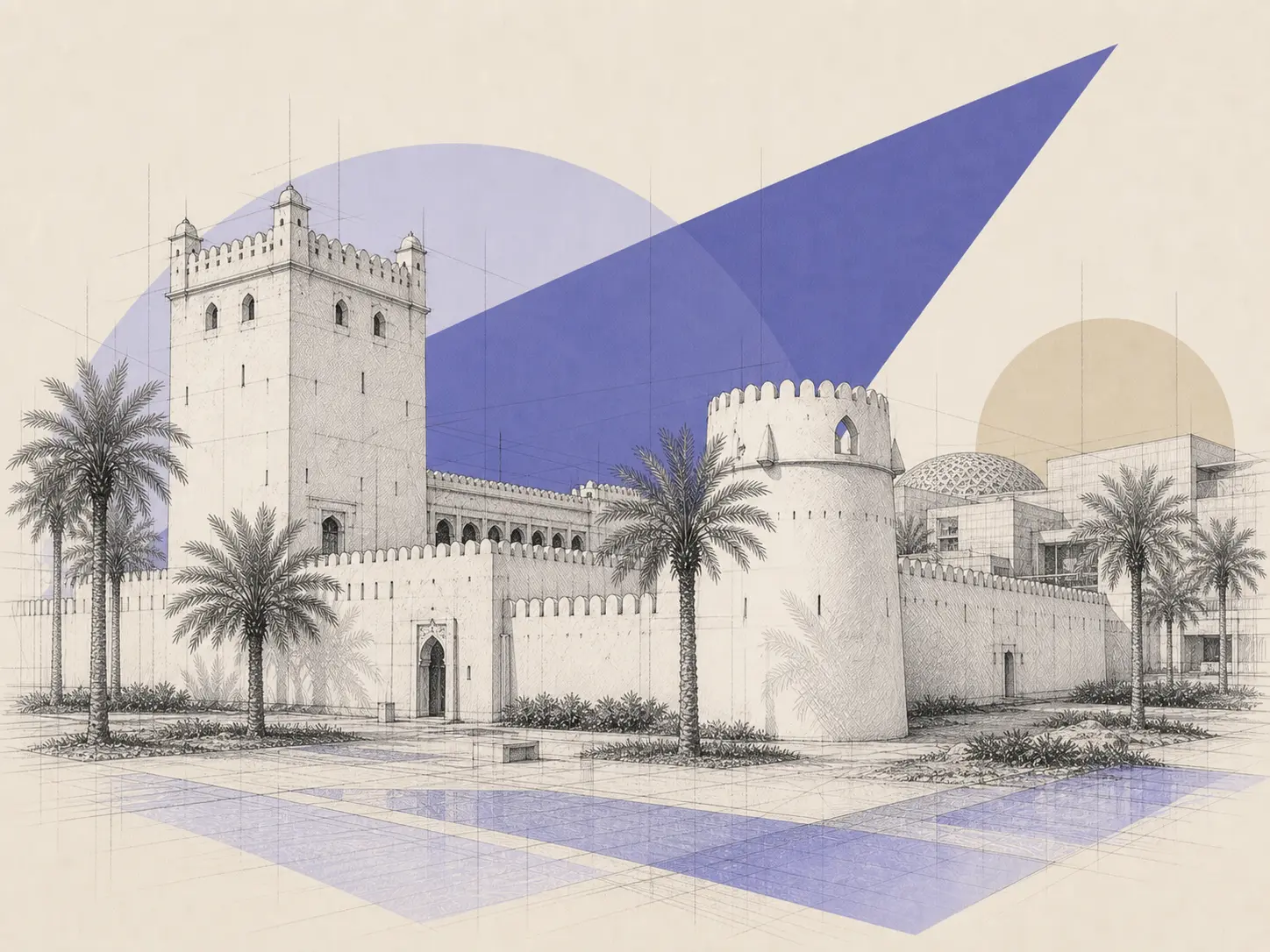
Knownable architectural illustration of Qasr Al Hosn's white fort, watchtower, crenellated walls, and palm courtyard
Qasr Al Hosn
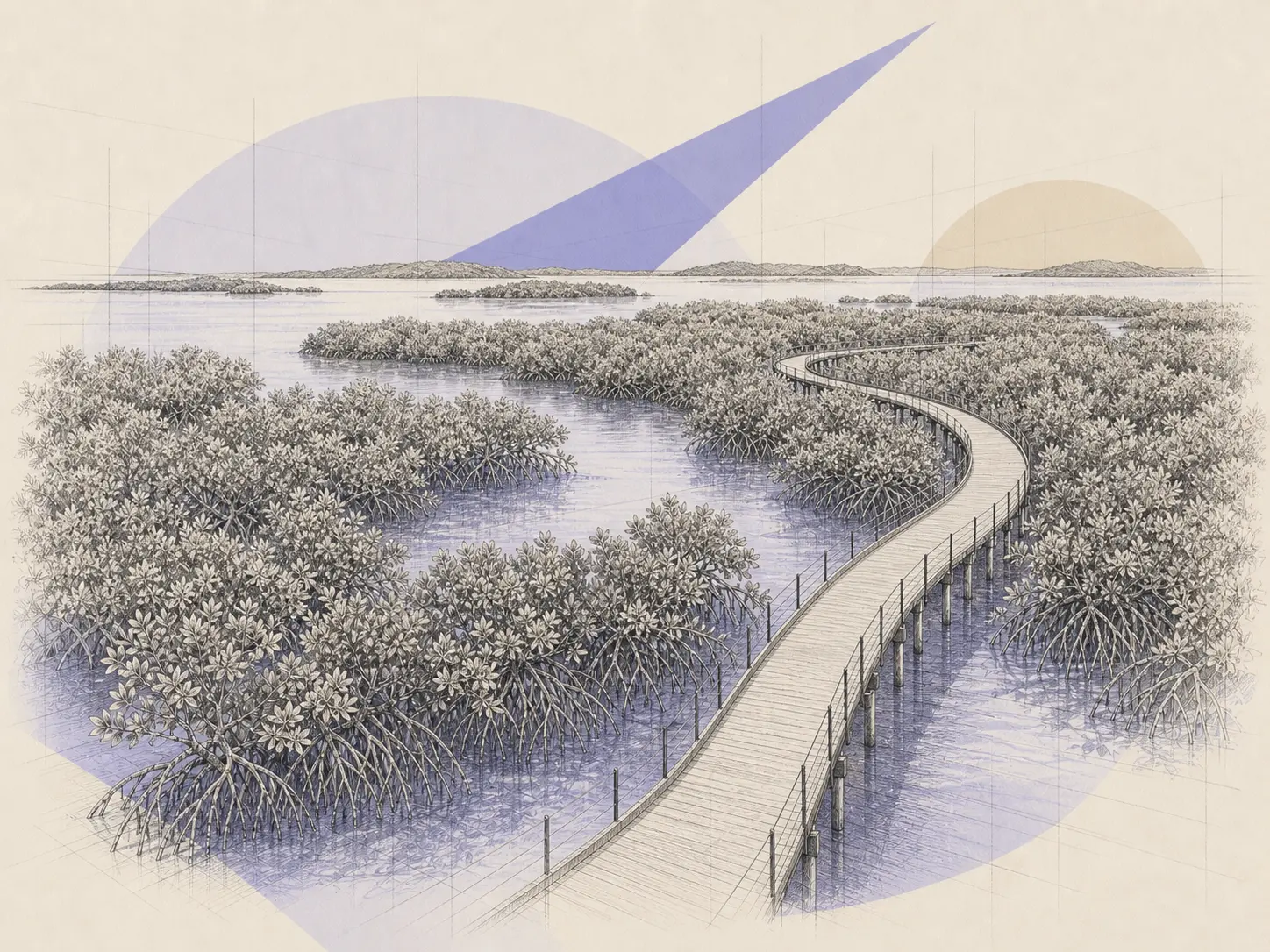
Knownable landscape illustration of Jubail Mangrove Park's winding boardwalk, tidal channels, and mangrove roots
Jubail Mangrove Park
Knownable architectural illustration of Emirates Palace, Etihad Towers, palms, beach, and the Abu Dhabi Corniche
The Corniche

Scenes from the city

A place with its own rhythm

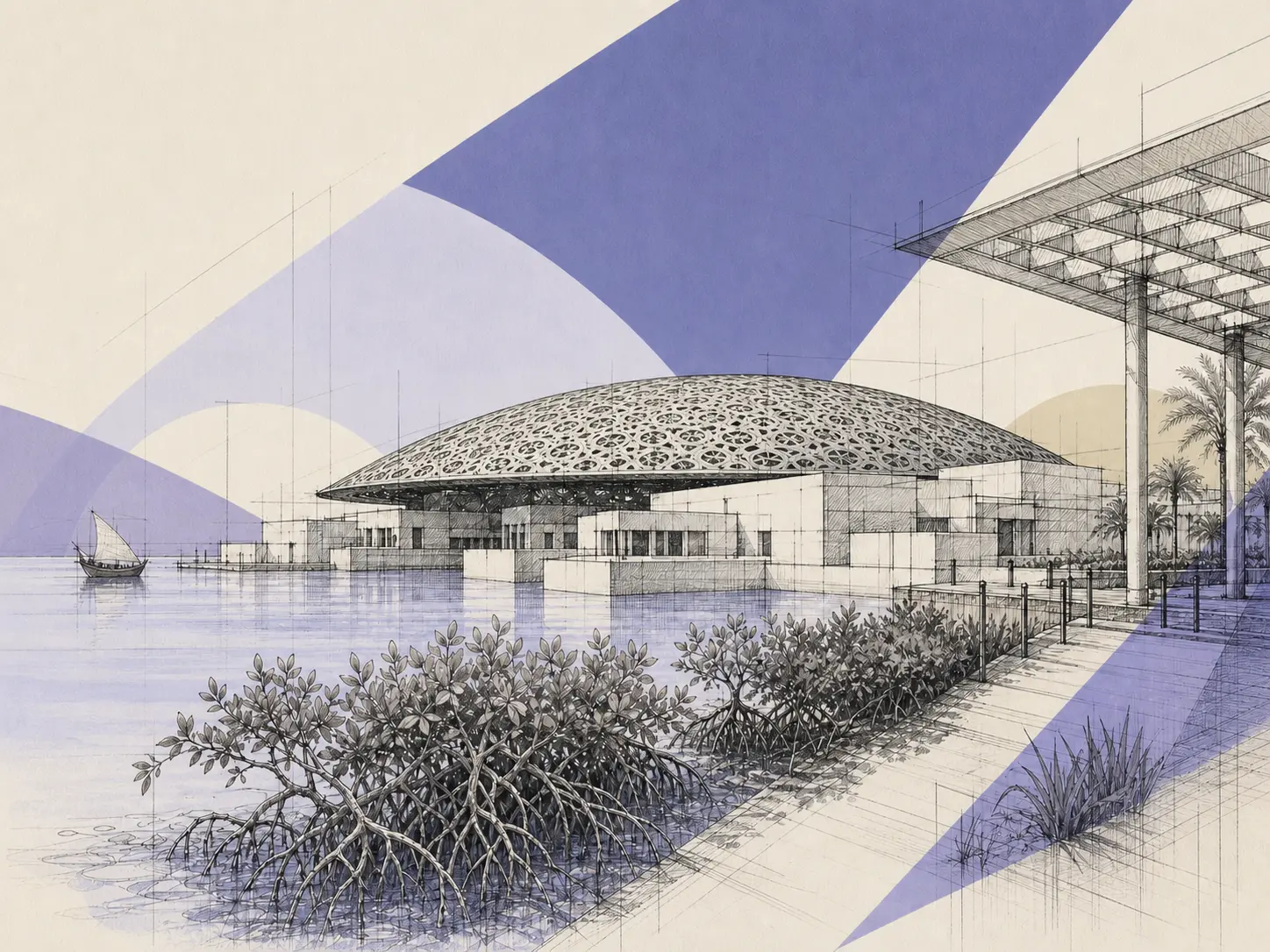
Editorial illustration of Louvre Abu Dhabi, mangroves, waterfront architecture, and a traditional dhow

Culture meets coast

A museum district that still feels like an island.

On Saadiyat, architecture, sea light, and public space are composed together. The cultural district gives the island an identity that extends well beyond individual projects.

Everyday Abu DhabiThe luxury is room to breathe.

Mangroves, beaches, shaded parks, and a restrained skyline give daily life a rare sense of space. That calm is part of the city's practical appeal, not merely its image.
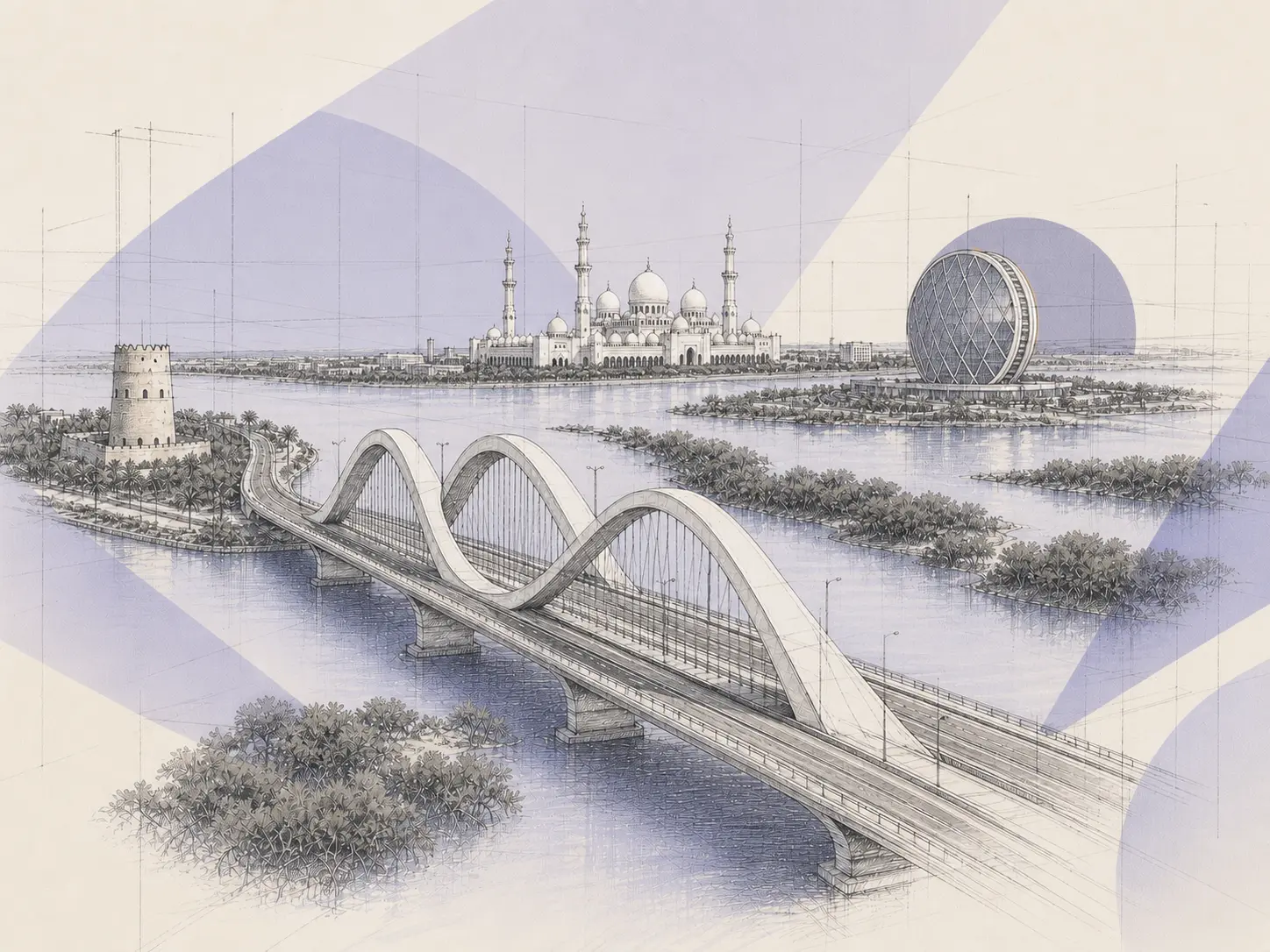
Architectural collage of Sheikh Zayed Bridge over Maqta Channel, with Maqta Tower, Sheikh Zayed Grand Mosque, Aldar HQ, and mangroves

A connected capital

The city's geography is becoming its advantage.

Bridges, causeways, the airport corridor, the financial district, and the port knit a spread-out island city into one connected capital. Each district keeps a distinct character while belonging to a wider system.

Continue to the market evidence

The market, on the record

Read the city through the deals it records.

The city story becomes actionable at district level. Live medians from recorded sales let you compare where the market is pricing differently, then follow the evidence into the neighbourhoods that matter.

Live median price by district

Source: ADREC · recorded sales through 2 Sept 2026
AED 1,686per sqft
  1. Fahid IslandAED 3,698
  2. Ramhan IslandAED 3,247
  3. Nourai IslandAED 3,108
  4. Al KasirAED 2,429
  5. Al Saadiyat IslandAED 2,287

Area guides

The city changes district by district

Abu Dhabi rewards specificity. Move from the capital-wide view into the character, tenure, connections, and market evidence of individual neighbourhoods.

Questions, answered

Abu Dhabi property questions, answered plainly

Direct answers for buyers comparing the city, its districts, and the evidence behind a property decision.

Why invest in Abu Dhabi real estate?

Abu Dhabi can suit long-horizon buyers who value master-planned districts, waterfront communities, cultural institutions, and a market with registered transaction evidence. The right case still depends on the district, property, price, holding costs, and the buyer's objective.

Can foreigners buy property in Abu Dhabi?

Yes. Non-UAE individuals and companies may own and acquire real-property rights within designated investment areas, subject to the property's title and current regulations. Confirm the zone, title, and eligibility with ADREC before committing.

Which Abu Dhabi area is best for property buyers?

There is no universal best area. Saadiyat emphasizes culture and coast; Yas combines leisure and newer communities; Al Reem offers denser urban apartment living; Al Raha is established waterfront; mainland communities can offer more space. Compare the exact property and recent registered sales.

How can I find actual sold prices in Abu Dhabi?

Use registered sale transactions rather than listing prices alone. Knownable organizes ADREC-derived records into median AED per square foot, activity, off-plan share, and district comparisons, so you can test a claim against completed deals.

What is the difference between an asking price and a registered sale?

An asking price is what a seller hopes to receive. A registered sale records a completed transaction. Asking prices show current positioning; registered sales provide the stronger baseline for evidence-led comparisons.

What should I compare before choosing a property?

Compare district fit, property type, title and ownership eligibility, ready versus off-plan status, developer and building, service charges, access, unit condition, financing, and recent comparable sales. Verify legal and financial details independently before signing.

Go deeper

Start with the city. Then get specific.

Explore the recorded market, compare districts, and build your own view of where Abu Dhabi is moving.

Market figures on this page are derived from public Abu Dhabi registry sources and are provided for orientation, not investment, valuation, legal, or tax advice.

Illustration: Original editorial artwork created for Knownable.